Notes from the boat, the shed, and the shore · available in English, Polish, French, and German.
Provisioning update from SV Alruna: today the galley became a diplomatic zone.
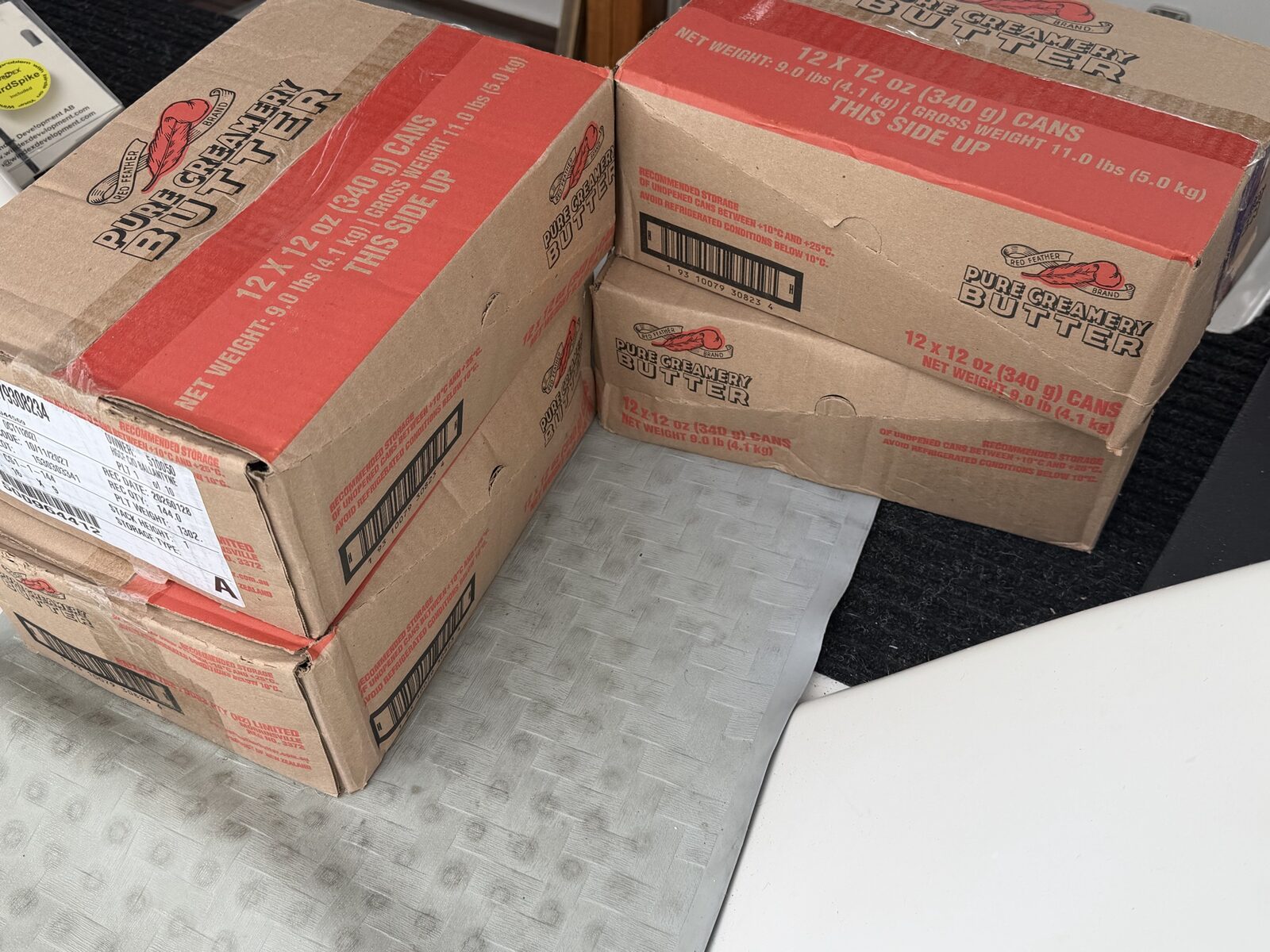
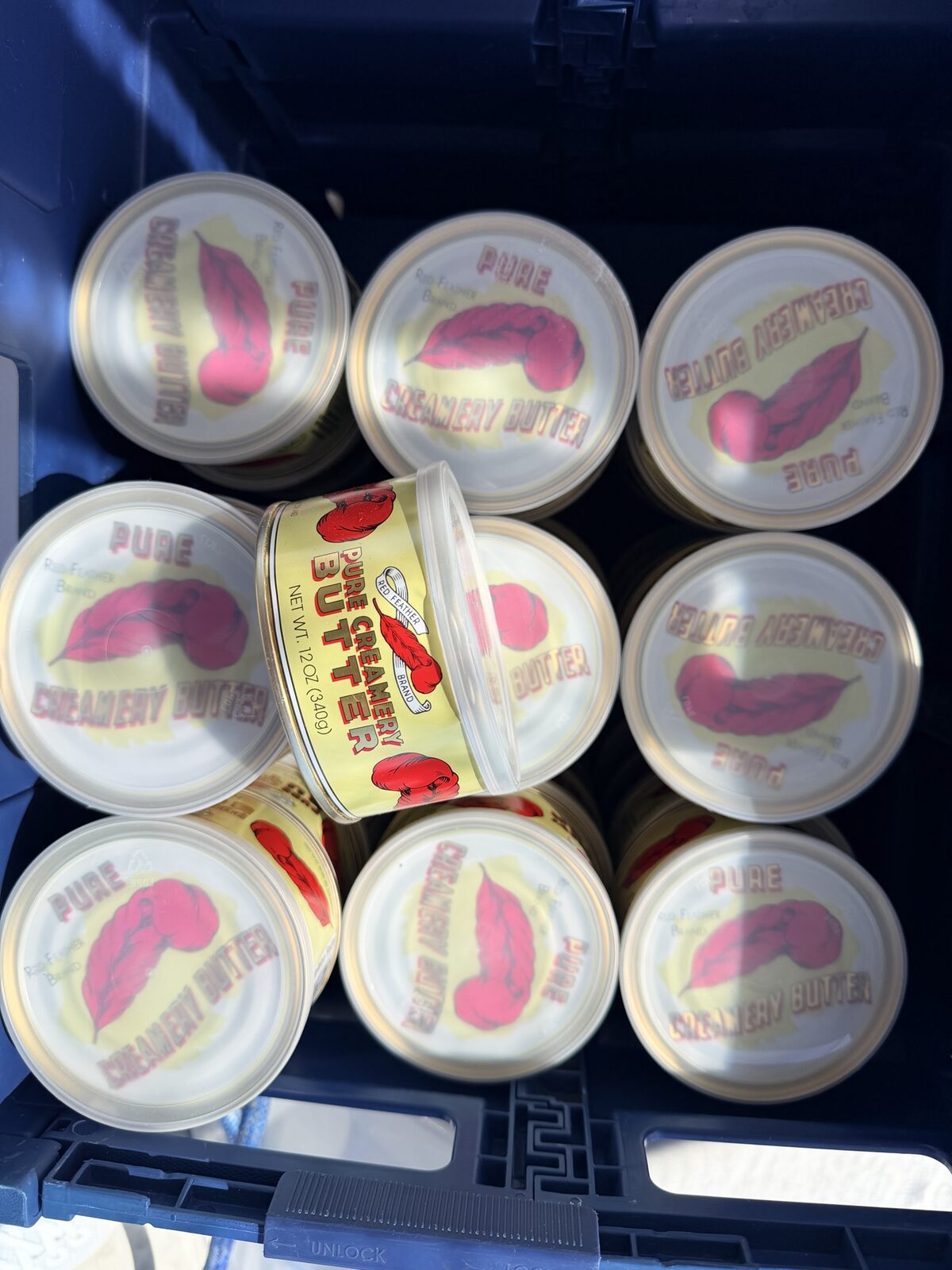
On one side of the salon: 36 cans of Red Feather Pure Creamery Butter from New Zealand. Shelf-stable. Unrefrigerated. Slightly suspicious. The label has a little chef on it who looks like he knows things.
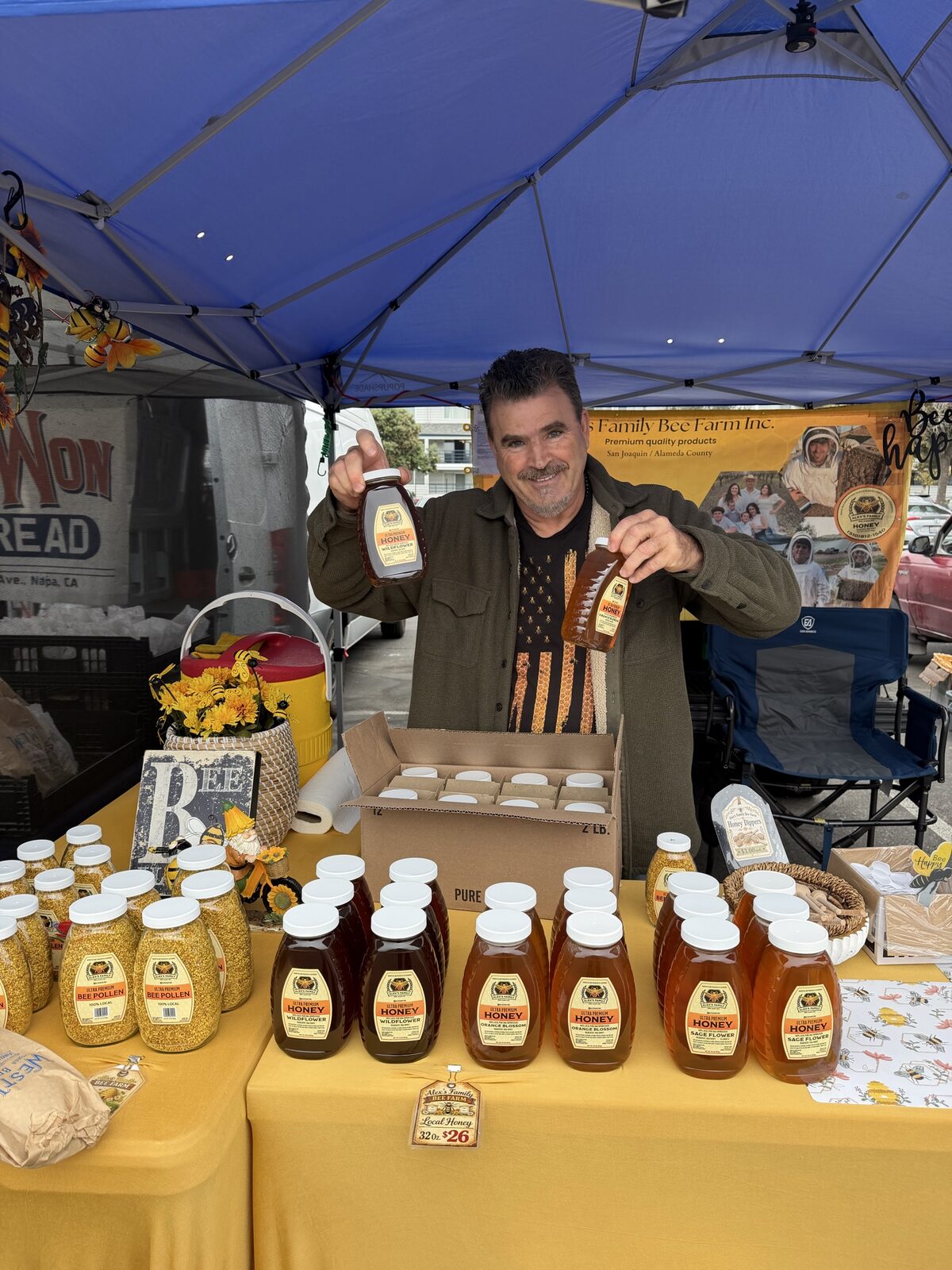
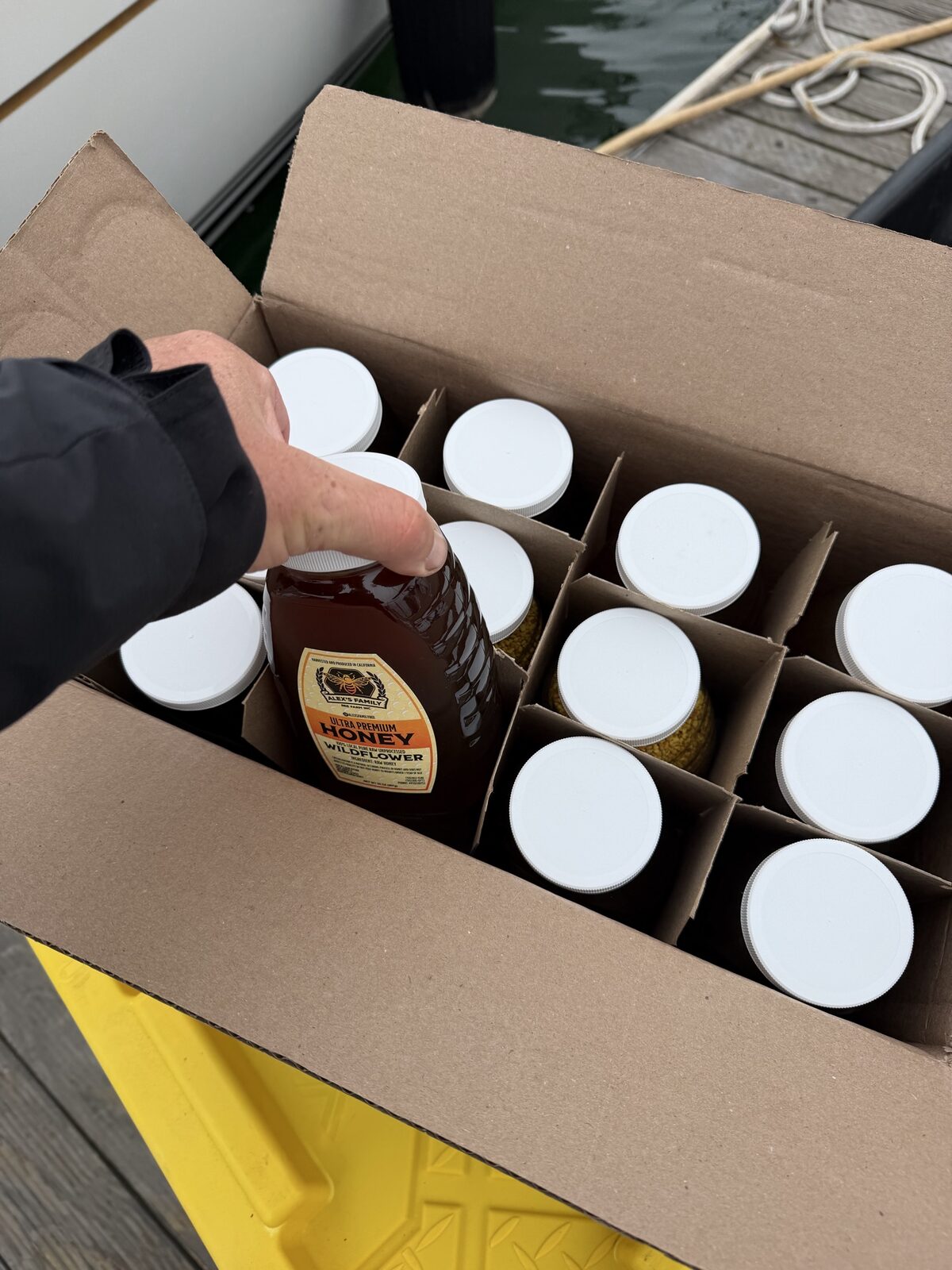
On the other side: a full case of Alex’s Family Bee Farm honey — wildflower, orange blossom, and sage — picked up straight from Alex himself at the farmers market. Man radiates joy. Honey radiates gold. I may have bought more than the spreadsheet said to.
I did the math for the 300-day nonstop lap around the Five Capes:
- ~1 can of butter every 8 days — pancakes, fried rice, “morale toast,” and the occasional 3 a.m. gale-force grilled cheese.
- ~1 jar of honey every 10 days — tea, oatmeal, cockpit medicine, and bribing myself to reef in the Southern Ocean.
Somewhere around Cape Horn these two are going to meet on a warm biscuit and I fully expect to cry.
If you were leaving the dock for 300 days — no resupply, no refrigeration, no takeout — what ONE food item are you absolutely not sailing without? Bonus points if it’s weirder than canned butter.
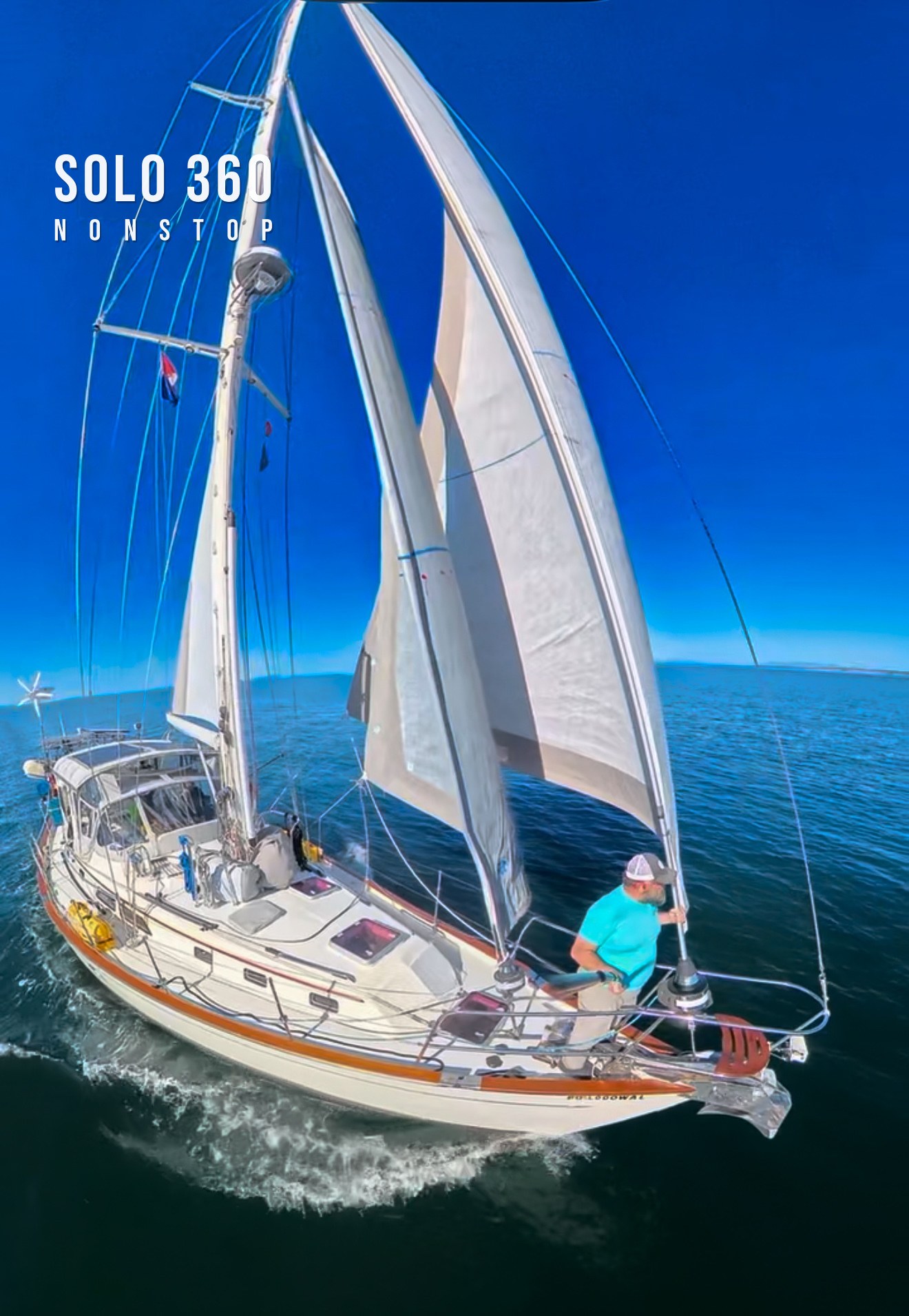
Alruna is a cruising yacht by design — comfortable, open, set up for anchorages and guests. For a solo nonstop lap of the planet, almost none of that stays.
What comes off the boat
The ground tackle is gone. Anchors and chain are out — 270 days at sea, no anchoring, no reason to carry the weight forward of the mast. The dinghy and both outboards are in storage. The interior doors are off. The main cabin table is off. Anything that can swing, slam, or trap a body in a knockdown doesn't sail with me.
What goes in instead
Twenty new tie-down points are bonded and through-bolted inside the main cabin — a proper grid to lash provision cases so nothing moves when we're on our ear.
A secondary Webasto joins the primary heater. Southern Ocean redundancy. If one dies at 55°S, I still have heat.
I designed and 3D-printed a hard doghouse over the companionway — insurance for the day the soft dodger finally lets go. Better to have it and not need it.
The staysail backing plates are being replaced with heavier stock. Downwind in the trades I plan to fly two headsails wing-on-wing on twin whisker poles — the staysail load path has to handle that, every day, for weeks.
Storm gear and steering
A massive power winch is now mounted on the aft deck. Deploying the Jordan Series Drogue is the easy part — recovering 100+ meters of loaded line and cones from a survival storm, solo, is what breaks people. The winch does that job for me. Two additional attachment points are through-bolted on the aft quarters so the JSD bridle spreads the load into the hull the way Don Jordan intended.
A Hydrovane goes on the transom — pure wind vane, no electrons, no amps. Paired with it, a small tiller-drive autopilot handles the light-air days when the vane loses its grip. That combination keeps the Type 3 below-deck autopilot in reserve. The Type 3 is powerful and precise, but it drinks amps — every hour I can steer without it is an hour of energy budget I keep.
Power
Monday we're adding a 480 Ah battery bank, fully independent of the house system. Total capacity moves to 1,750 Ah. It's not there to run the boat day-to-day — it's the backup, isolated on its own bus, waiting for the day the main house system fails a thousand miles from anywhere.
Cruising mode is about options. Expedition mode is about one option, executed well, for a very long time.
Aktualizacja prowiantowa z pokładu SV Alruna: dziś mesa zamieniła się w strefę dyplomatyczną.
Po jednej stronie mesy: 36 puszek masła Red Feather Pure Creamery z Nowej Zelandii. Trwałe w temperaturze pokojowej. Bez lodówki. Lekko podejrzane. Na etykiecie mały kucharz, który wygląda, jakby wiedział coś, czego my nie wiemy.
Po drugiej stronie: całe pudło miodu z Alex’s Family Bee Farm — polny, z kwiatu pomarańczy i szałwiowy — odebrane osobiście od Alexa na targu rolniczym. Człowiek promieniuje radością. Miód promieniuje złotem. Możliwe, że kupiłem więcej niż przewidywał arkusz.
Zrobiłem matematykę na 300-dniowy nonstopowy rejs wokół Pięciu Wielkich Przylądków:
- ~1 puszka masła co 8 dni — naleśniki, ryż smażony, „tost na morale” i sporadyczny grillowany ser o 3 nad ranem w środku wichury.
- ~1 słoik miodu co 10 dni — herbata, owsianka, medycyna z kokpitu i łapówka dla samego siebie, żeby wcześnie refować na Oceanie Południowym.
Gdzieś w okolicach Hornu te dwa spotkają się na ciepłym herbatniku — i szczerze spodziewam się, że się nad tym rozkleimy.
Gdybyście odbijali od nabrzeża na 300 dni — bez dopałki prowiantu, bez lodówki, bez jedzenia na wynos — bez jakiego JEDNEGO produktu absolutnie nie ruszylibyście w morze? Punkty ekstra, jeśli jest dziwniejszy niż masło w puszce.
Alruna z założenia jest jachtem turystycznym — wygodnym, otwartym, przystosowanym do kotwiczenia i gości. Do samotnego, nonstopowego rejsu dookoła świata prawie nic z tego nie zostaje.
Co schodzi z jachtu
Kotwice i łańcuch znikają — 270 dni w morzu, żadnego kotwiczenia, żaden powód, by nieść ten ciężar przed masztem. Ponton i oba silniki zaburtowe lądują w magazynie. Wewnętrzne drzwi — zdjęte. Stół w mesie — zdjęty. Wszystko, co może huśtać się, trzasnąć albo uwięzić człowieka przy wywrótce, nie płynie ze mną.
Co wchodzi w to miejsce
Dwadzieścia nowych punktów mocowania jest wklejonych i przykręconych na wylot wewnątrz mesy — solidna siatka, do której przywiążemy skrzynie z prowiantem, żeby nic się nie ruszyło, gdy popłyniemy na burcie.
Do głównego ogrzewania Webasto dochodzi drugie, zapasowe. Redundancja na potrzeby Oceanu Południowego. Jeśli jedno padnie na 55°S, wciąż mam ciepło.
Zaprojektowałem i wydrukowałem na drukarce 3D twardy daszek (doghouse) nad zejściówką — ubezpieczenie na dzień, gdy miękki spryskownik wreszcie odejdzie. Lepiej go mieć i nie potrzebować.
Płyty wzmacniające zamocowanie sztaksla wymieniamy na mocniejsze. Na baksztagach w pasatach planuję nieść dwa żagle przednie „motyl” na dwóch bomach spinakerowych — ścieżka obciążenia sztaksla musi to wytrzymać, każdego dnia, przez tygodnie.
Sprzęt sztormowy i sterowanie
Na rufie zamontowana została potężna elektryczna winda. Postawienie drogue'a Jordana to łatwa część — to wybieranie stu z górą metrów obciążonej liny z stożkami po sztormie przeżycia, w pojedynkę, łamie ludzi. Winda robi tę robotę za mnie. Dwa dodatkowe punkty mocowania są skręcone na wylot na obu rufowych burtach, żeby uprząż JSD rozkładała obciążenie w kadłub tak, jak wymyślił to Don Jordan.
Na pawężę idzie Hydrovane — czysty pilot wiatrowy, żadnej elektroniki, żadnych amperów. Do pary z nim mały autopilot na rumpel obsługuje słabe wiatry, gdy pilot wiatrowy traci przyczepność. Ta kombinacja trzyma główny autopilot Type 3 w rezerwie. Type 3 jest mocny i precyzyjny, ale pije prąd — każda godzina, której nie muszę nim sterować, to godzina budżetu energetycznego, który zostaje.
Energia
W poniedziałek dokładamy bank akumulatorów 480 Ah, całkowicie niezależny od instalacji domowej. Łączna pojemność idzie do 1750 Ah. Nie jest po to, żeby prowadzić jacht na co dzień — to zapas, odseparowany na własnej szynie, czekający na dzień, gdy główna instalacja padnie tysiąc mil od czegokolwiek.
Tryb turystyczny to sprawa opcji. Tryb ekspedycyjny to jedna opcja, wykonana dobrze, przez bardzo długi czas.
Nouvelles de l’avitaillement à bord de SV Alruna : aujourd’hui, le carré s’est transformé en zone diplomatique.
D’un côté du salon : 36 boîtes de beurre pur Red Feather en provenance de Nouvelle-Zélande. Longue conservation. Sans réfrigération. Légèrement suspect. L’étiquette porte un petit chef qui a l’air de savoir des choses.
De l’autre côté : une caisse entière de miel d’Alex’s Family Bee Farm — fleurs sauvages, fleur d’oranger et sauge — achetée directement à Alex au marché fermier. L’homme rayonne de joie. Le miel rayonne d’or. J’en ai peut-être pris plus que ce que disait le tableur.
J’ai fait les calculs pour les 300 jours de tour du monde nonstop des cinq caps :
- ~1 boîte de beurre tous les 8 jours — crêpes, riz sauté, « toast du moral », et un croque-monsieur occasionnel à 3h du matin en pleine baston.
- ~1 pot de miel tous les 10 jours — thé, flocons d’avoine, médicament de cockpit, et petite corruption personnelle pour prendre un ris dans l’Océan Austral.
Quelque part vers le cap Horn, ces deux-là vont se rencontrer sur un biscuit chaud — et je m’attends parfaitement à en pleurer.
Si vous quittiez le quai pour 300 jours — sans ravitaillement, sans réfrigération, sans plats à emporter — quel serait le SEUL aliment sans lequel vous ne partiriez absolument pas ? Bonus si c’est plus bizarre que du beurre en boîte.
Alruna est un voilier de croisière par nature — confortable, ouvert, conçu pour les mouillages et les invités. Pour un tour du monde en solitaire et sans escale, presque rien de tout cela ne reste.
Ce qui quitte le bateau
Le mouillage part. Les ancres et la chaîne sont débarquées — 270 jours en mer, aucun mouillage, aucune raison de porter ce poids en avant du mât. L'annexe et les deux hors-bord sont en stockage. Les portes intérieures sont déposées. La table du carré est déposée. Tout ce qui peut osciller, claquer ou coincer un corps dans un chavirage ne part pas avec moi.
Ce qui prend leur place
Vingt nouveaux points d'amarrage sont collés et boulonnés traversants à l'intérieur du carré — un vrai maillage pour saisir les caisses de vivres afin que rien ne bouge quand nous serons sur le flanc.
Un deuxième Webasto rejoint le chauffage principal. Redondance pour l'Océan Austral. Si l'un lâche par 55°S, j'ai toujours de la chaleur.
J'ai dessiné et imprimé en 3D une casquette rigide au-dessus de la descente — une assurance pour le jour où la capote souple finira par céder. Mieux vaut l'avoir sans en avoir besoin.
Les contre-plaques du trinquette sont remplacées par des pièces plus épaisses. Sous les alizés, je prévois de porter deux voiles d'avant en ciseaux sur deux tangons — le chemin d'effort du trinquette doit encaisser ça, chaque jour, pendant des semaines.
Sécurité gros temps et pilotage
Un treuil électrique massif est maintenant monté sur le pont arrière. Déployer le drogue série Jordan est la partie facile — c'est récupérer plus de cent mètres de ligne chargée et de cônes après une tempête de survie, en solo, qui casse les hommes. Le treuil fait ce travail à ma place. Deux points d'amarrage supplémentaires sont boulonnés traversants sur les hanches arrière, pour que la patte d'oie du JSD répartisse l'effort dans la coque comme Don Jordan l'avait pensé.
Un Hydrovane s'installe sur le tableau arrière — pilote éolien pur, aucun électron, aucun ampère. Couplé à un petit pilote de barre électrique pour les vents faibles quand l'éolien perd son mordant. Cette combinaison laisse le pilote Type 3 sous le pont en réserve. Le Type 3 est puissant et précis, mais il boit des ampères — chaque heure où je peux m'en passer est une heure de budget énergétique gagnée.
Énergie
Lundi, nous ajoutons un parc batterie de 480 Ah, totalement indépendant du parc de service. Capacité totale portée à 1 750 Ah. Il n'est pas là pour faire tourner le bateau au quotidien — c'est la réserve, isolée sur son propre bus, en attente du jour où le parc principal lâchera à mille milles de tout.
Le mode croisière, c'est une affaire d'options. Le mode expédition, c'est une seule option, bien exécutée, très longtemps.
Proviantierungs-Update von SV Alruna: Heute wurde die Pantry zur diplomatischen Zone.
Auf der einen Seite des Salons: 36 Dosen Red Feather Pure Creamery Butter aus Neuseeland. Ungekühlt lagerfähig. Leicht verdächtig. Auf dem Etikett ein kleiner Koch, der aussieht, als wüsste er Bescheid.
Auf der anderen Seite: eine ganze Kiste Honig von Alex’s Family Bee Farm — Wildblume, Orangenblüte und Salbei — direkt von Alex selbst auf dem Bauernmarkt gekauft. Der Mann strahlt Freude aus. Der Honig strahlt Gold aus. Ich habe möglicherweise mehr gekauft, als die Tabelle vorgesehen hatte.
Ich habe die Rechnung für die 300-Tage-Nonstop-Runde um die Fünf Kaps gemacht:
- ~1 Dose Butter alle 8 Tage — Pfannkuchen, gebratener Reis, „Moral-Toast“ und gelegentlich um 3 Uhr morgens ein Sturm-Grilled-Cheese.
- ~1 Glas Honig alle 10 Tage — Tee, Haferbrei, Cockpit-Medizin und Selbstbestechung, um im Südlichen Ozean rechtzeitig zu reffen.
Irgendwo um Kap Hoorn werden sich diese beiden auf einem warmen Keks treffen — und ich rechne fest damit, dabei zu weinen.
Wenn ihr für 300 Tage vom Steg ablegen würdet — keine Nachversorgung, keine Kühlung, kein Take-away — auf welches EINE Lebensmittel könntet ihr auf keinen Fall verzichten? Bonuspunkte, wenn es schräger ist als Dosenbutter.
Alruna ist von Haus aus eine Fahrtenyacht — komfortabel, offen, ausgelegt für Ankerbuchten und Gäste. Für eine Solo-Nonstop-Runde um den Planeten bleibt davon fast nichts übrig.
Was das Schiff verlässt
Das Ankergeschirr geht runter. Anker und Kette sind an Land — 270 Tage auf See, kein Ankern, kein Grund, das Gewicht vor dem Mast mitzuschleppen. Beiboot und beide Außenborder liegen im Lager. Die Innentüren sind ausgebaut. Der Tisch im Salon ist ausgebaut. Alles, was in einer Kenterung schwingen, schlagen oder einen Körper einklemmen kann, segelt nicht mit.
Was dafür an Bord kommt
Zwanzig neue Zurrpunkte sind laminiert und durchgeschraubt im Salon — ein sauberes Raster, um die Provianttrunken so festzuzurren, dass sich nichts rührt, wenn wir auf der Backe liegen.
Eine zweite Webasto-Heizung ergänzt die Hauptheizung. Redundanz für den Südlichen Ozean. Fällt eine bei 55°S aus, habe ich immer noch Wärme.
Ich habe ein hartes Doghouse über dem Niedergang entworfen und im 3D-Druck gefertigt — eine Versicherung für den Tag, an dem der weiche Sprayhood endgültig aufgibt. Besser haben und nicht brauchen.
Die Backing Plates der Kutterstage werden durch stärkere ersetzt. Auf Passatkurs plane ich zwei Vorsegel „Schmetterling“ an zwei Spinnakerbäumen zu fahren — der Lastpfad der Kutterstage muss das aushalten, jeden Tag, wochenlang.
Sturmausrüstung und Steuerung
Eine massive elektrische Winsch ist jetzt auf dem Achterdeck montiert. Den Jordan Series Drogue zu setzen ist der einfache Teil — über hundert Meter belastete Leine mit Kegeln nach einem Überlebenssturm solo wieder einzuholen, das bricht Menschen. Die Winsch übernimmt das für mich. Zwei zusätzliche Befestigungspunkte sind an den Achterseiten durchgeschraubt, damit die JSD-Hühnerleiter die Last so in den Rumpf verteilt, wie Don Jordan es vorgesehen hat.
Auf den Spiegel kommt eine Hydrovane — reine Windfahnensteuerung, kein Strom, kein Ampere. Dazu ein kleiner Pinnenpilot für die Schwachwindtage, an denen die Windfahne den Halt verliert. Diese Kombination hält den Type-3-Unterdeckspiloten in Reserve. Der Type 3 ist stark und präzise, aber er trinkt Strom — jede Stunde, in der ich ohne ihn steuern kann, ist eine Stunde Energiebudget, die übrig bleibt.
Energie
Am Montag kommt eine 480 Ah-Batteriebank dazu, komplett unabhängig vom Bordnetz. Die Gesamtkapazität steigt auf 1.750 Ah. Sie ist nicht für den täglichen Betrieb da — sie ist die Reserve, isoliert auf ihrer eigenen Schiene, wartend auf den Tag, an dem das Bordnetz tausend Meilen vom nächsten Land ausfällt.
Fahrtenmodus ist eine Frage von Optionen. Expeditionsmodus ist eine Option, sauber ausgeführt, sehr lange.